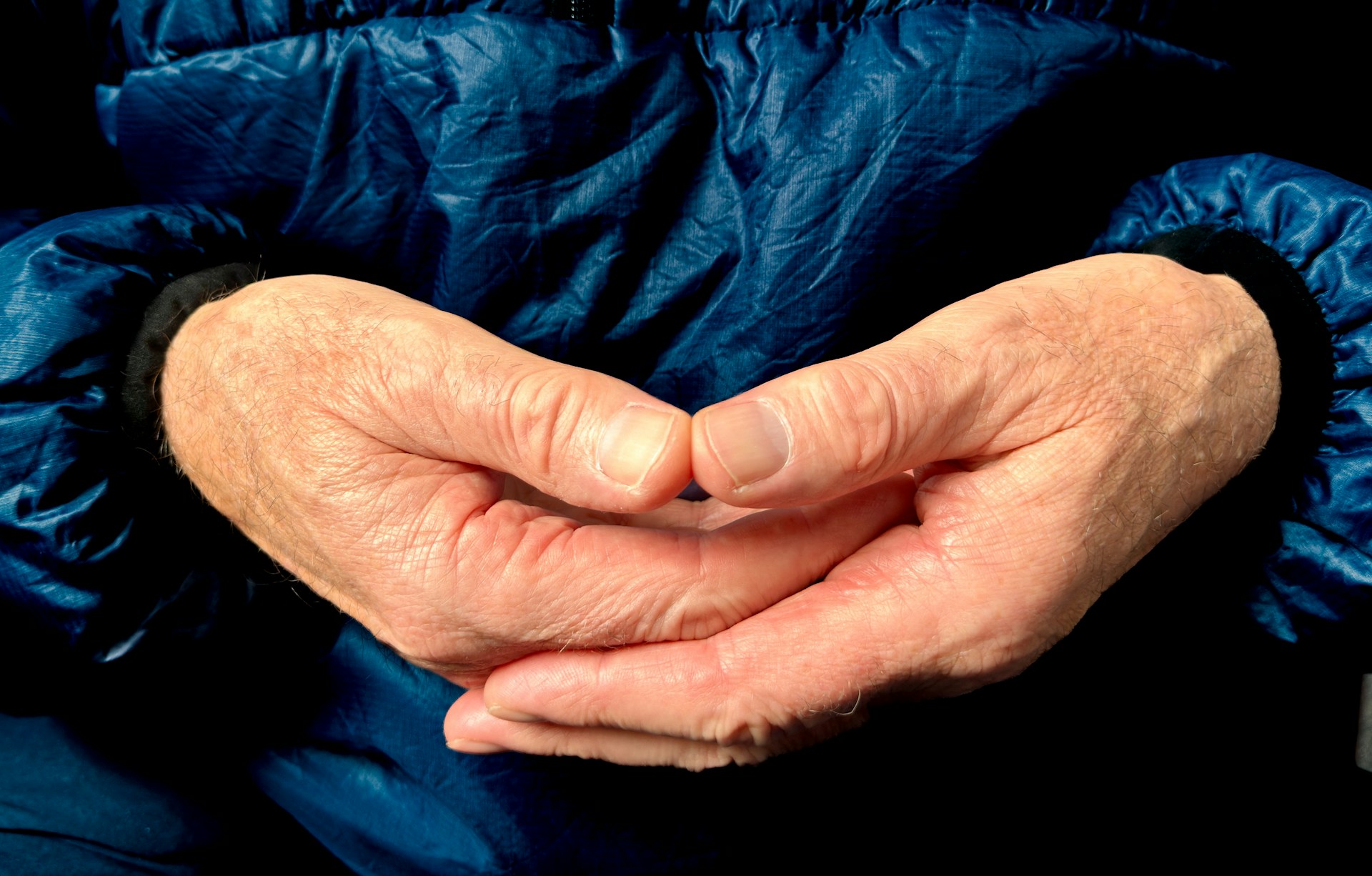
What is osteoarthritis really? And what is arthrosis? The two terms refer to the same condition: a chronic, degenerative joint disease in which the cartilage gradually wears down, leading to pain, stiffness, and reduced mobility. Unlike rheumatoid arthritis, osteoarthritis is not an autoimmune disease, but a chronic condition that requires ongoing management. The causes of osteoarthritis are complex and include genetic factors—since the condition is partly hereditary—as well as age, previous injuries, and joint overuse through work or sports.
Although osteoarthritis cannot be cured, its symptoms can be effectively relieved through targeted treatment. At Anodyne Care, we base our work on the latest research to design a treatment plan that addresses both symptoms and underlying factors. Our approach combines pharmacological treatment, physiotherapy, psychological support, and lifestyle guidance to improve daily function and reduce osteoarthritis-related pain.
What characterizes osteoarthritis?
Why choose Anodyne Care?
We offer flexible digital consultations, allowing you to meet specialists online from the comfort and safety of your own home. This gives you access to coordinated, multidisciplinary expertise - no matter where you live in the country. Our team works closely together to ensure a holistic approach tailored to your life situation and your specific challenges with osteoarthritis.
Osteoarthritis can affect many different joints throughout the body. The most common areas are the knees, hips, hands (especially the base of the thumb), and the spine, but the condition can also affect the neck, shoulders, feet, ankles, elbows, and in rare cases the jaw joint. In some people, osteoarthritis develops in multiple joints at the same time, which can lead to widespread pain and reduced function. This often requires a more comprehensive treatment strategy.
Symptoms vary greatly depending on where the osteoarthritis is located. At Anodyne Care, we specialize in treating osteoarthritis regardless of its location, offering tailored care pathways that combine evidence-based methods to relieve pain, reduce inflammation, and improve mobility.
Symptoms by body part
Knees and Hips
Osteoarthritis of the knees and hips is the most common and typically causes pain during walking, climbing stairs, and activities such as cycling. Many people experience stiffness in the morning or after prolonged periods of rest. In severe knee osteoarthritis, fluid buildup and swelling may occur, while hip osteoarthritis often causes groin pain and reduced mobility.
Hands and Fingers
Osteoarthritis in the hands often affects the base of the thumb, making it difficult to grip objects and perform fine motor tasks. Osteoarthritis in the finger joints and wrists can lead to swelling, stiffness, and reduced grip strength.
Back and Lower Back
Osteoarthritis in the spine or lower back can cause persistent pain, stiffness, and reduced flexibility, making physical work challenging. Osteoarthritis in the sacrum or SI joints can result in deep-seated pelvic pain.
Neck and Shoulders
Osteoarthritis in the neck may cause stiffness, headaches, and dizziness, while shoulder osteoarthritis reduces arm mobility and makes lifting or reaching overhead difficult. Severe osteoarthritis in the shoulder or collarbone can make even simple tasks challenging.
Feet and Ankles
Osteoarthritis in the foot, particularly at the base of the big toe, is very common and can make walking and standing painful. Osteoarthritis in the toes and ankle includes symptoms such as swelling, stiffness, and pain during weight-bearing activities.
Other joints
Less commonly, osteoarthritis can also affect the elbow or the jaw joint, causing pain during bending or chewing.
Our approach
We design a treatment plan that addresses specific symptoms and underlying causes—whether related to inflammation, mechanical strain, or a combination of both. Through digital consultations, you gain access to doctors, physiotherapists, and other healthcare professionals who work together on your rehabilitation and pain relief.
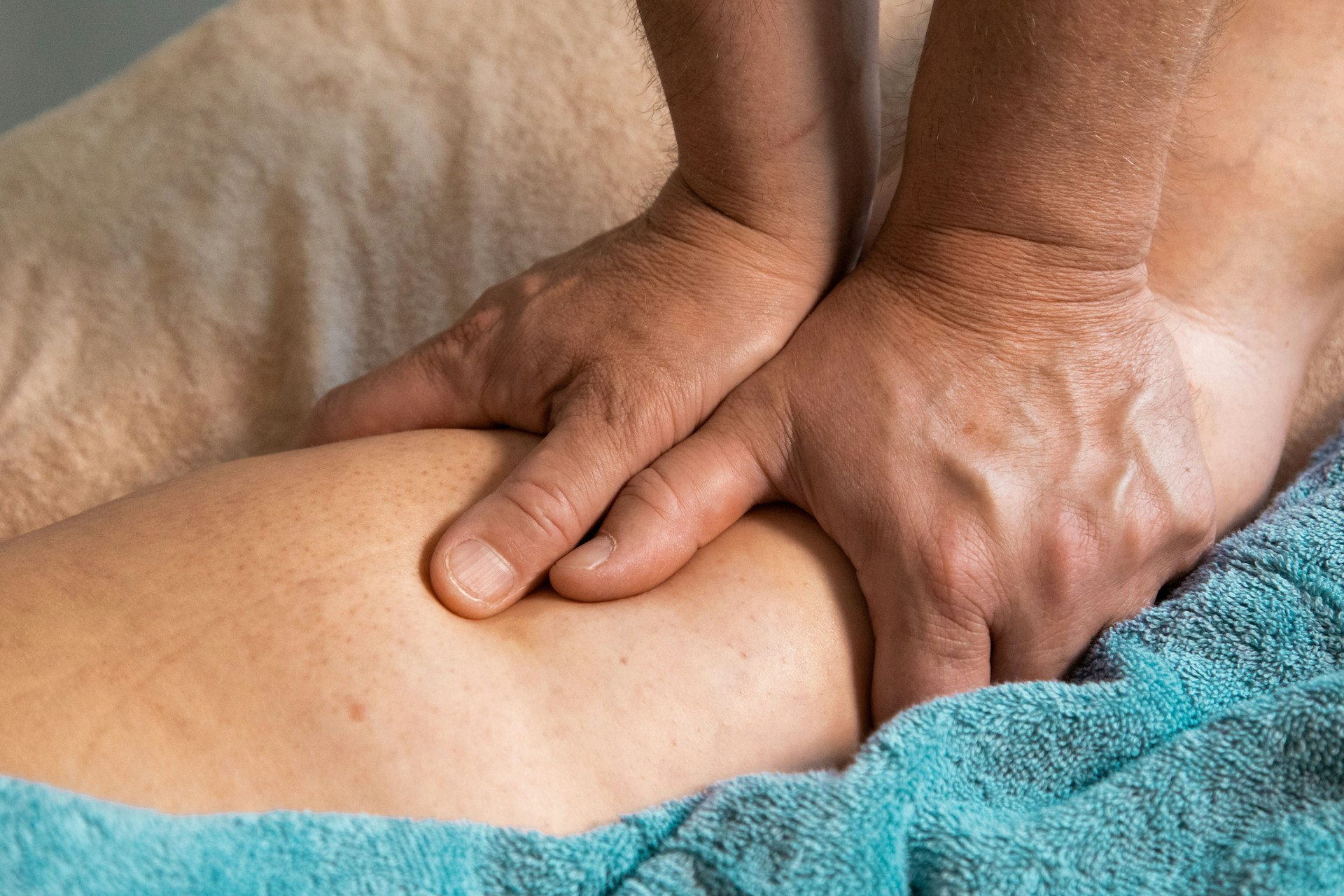
At Anodyne Care, we offer targeted treatments that relieve pain and improve function in joints affected by osteoarthritis. Our approach is multimodal: we combine pharmacological methods, rehabilitation, exercise, and mental strategies to create the most effective treatment plan for you. Each plan is tailored to your specific condition, symptoms, and life situation.
Medical treatments
Medication for osteoarthritis plays a central role in pain management. Painkillers and anti-inflammatory drugs are used to relieve pain and reduce inflammation in the affected joints. The choice of the most appropriate medication depends on pain intensity, duration, and any other existing health conditions. We always start with the mildest effective medications and adjust treatment continuously based on your response.
At Anodyne Care, our doctors follow evidence-based guidelines to ensure safe and effective medical treatment of osteoarthritis. Through digital consultations, we can prescribe medication, monitor its effects, and make adjustments as needed—so your treatment is always tailored to you.
Non-pharmacological treatments
Physiotherapy and targeted exercise are the cornerstones of osteoarthritis treatment. Exercises for the knees, hips, shoulders, or hands strengthen the muscles around the affected joints, improve mobility, and reduce joint load. Our physiotherapists design personalized exercise programs tailored to your level and goals. Although osteoarthritis cannot be cured, systematic training can significantly reduce symptoms and improve quality of life.
For selected patients, medical cannabis may also be considered as a supplement if conventional treatments do not provide sufficient relief. Effects vary, and use requires specialist assessment and close follow-up.
Chronic pain from osteoarthritis affects not only the body but also mental health. Working with mental strategies and cognitive behavioral therapy can help you change pain-related thought and behavior patterns, reducing the perception of pain and improving function. This is particularly valuable when osteoarthritis pain leads to activity avoidance or reduced quality of life.
Surgical treatment for severe osteoarthritis
In cases of severe osteoarthritis, where conventional treatment is no longer sufficient, surgery may be necessary. This can include knee replacement, shoulder surgery, or procedures involving the foot and ankle. At Anodyne Care, we collaborate with orthopedic surgeons and can refer you if surgical intervention is considered appropriate.
Lifestyle changes play a crucial role in relieving symptoms and preventing the progression of osteoarthritis. What you eat, how you move, and how you manage everyday strain all affect both pain levels and joint function. At Anodyne Care, we offer comprehensive guidance on nutrition, exercise, and daily habits to support your treatment and improve your quality of life.
Diet and dietary supplements
There is strong evidence that diet can influence inflammation in the body. An anti-inflammatory diet helps by reducing the body’s production of pro-inflammatory substances, supporting the immune system’s natural balance, and thereby decreasing inflammatory processes. An anti-inflammatory diet for osteoarthritis includes foods rich in omega-3 fatty acids (such as fatty fish), fruits (especially berries), vegetables, whole grains, and nuts, while reducing the intake of processed meat, sugar, and saturated fat. Although diet alone cannot cure osteoarthritis, it can help reduce inflammation and, in turn, pain.
There are many dietary supplements marketed for osteoarthritis, but the evidence for their effectiveness is mixed. We guide you on which supplements may be beneficial for you, based on the latest research and your individual needs.
Exercise, activity, and daily management
One of the most common questions is: “Is it good to walk when you have osteoarthritis?” The answer is a clear yes. Regular walking strengthens muscles, maintains mobility, and reduces stiffness without overloading the joints—especially in hip osteoarthritis, where gentle daily walks can significantly improve function.
Cycling is also often suitable, as it is a low-impact activity. In knee osteoarthritis, cycling can strengthen the surrounding muscles without the same level of strain as running, making it a good alternative. However, the combination of knee osteoarthritis and stairs can be challenging, as stairs place greater stress on the knee joints than walking on flat ground.
Running is more controversial. With mild to moderate osteoarthritis, light jogging may be possible for some individuals, but in cases of severe osteoarthritis or significant pain, it is typically discouraged, as repeated high-impact loading can worsen symptoms.
Cold weather can also aggravate osteoarthritis, and many people experience increased stiffness and pain in colder conditions. Warming the joints, taking warm baths, and using heat packs can provide relief. Many people with osteoarthritis also experience fatigue, as chronic pain can affect both sleep and energy levels. At Anodyne Care, we help you develop strategies to find the right balance between activity and rest—so you can maintain mobility and quality of life.

Although osteoarthritis cannot be cured or completely prevented, early intervention and the right strategies can reduce symptoms, slow progression, and significantly improve your quality of life.
Effective management of osteoarthritis requires a combination of proactive efforts, lifestyle changes, and evidence-based treatment. Preventing osteoarthritis is about protecting your joints early on. This includes maintaining a healthy weight to reduce strain on weight-bearing joints such as the knees and hips, avoiding repetitive overuse, using proper lifting techniques, and treating joint injuries promptly. Regular, moderate exercise strengthens the muscles around the joints and helps keep them flexible.
What can you do about osteoarthritis? And what can you do in everyday life to manage it? These are questions we are often asked, and the answers vary from person to person. What helps with osteoarthritis typically involves a combination of physical activity—such as swimming, cycling, or walking—along with targeted physiotherapy exercises. In addition, an anti-inflammatory diet, pain management with medication or alternative methods, heat therapy, and psychological support to address the mental aspects of chronic pain can also be beneficial.
What is the best treatment for osteoarthritis? The truth is that there is no single universal solution. The most effective approach is multimodal and individually tailored—exactly what we offer at Anodyne Care.

At Anodyne Care, we help you relieve osteoarthritis pain and regain mobility through tailored treatments. Our multidisciplinary team - consisting of doctors, physiotherapists, psychologists, and other healthcare professionals- works together to create a holistic treatment plan that addresses both your physical pain and the mental challenges of living with chronic osteoarthritis.
We understand that chronic pain affects more than just your body - it impacts your ability to work, stay active, and live the life you want. That’s why we focus on treating the whole person, not just the symptoms. Through digital consultations, you get flexible access to specialized expertise, no matter where you live.
Our evidence-based approach combines the best of traditional medicine, physiotherapy, psychological support, and complementary treatment methods to give you the best possible foundation for living well with osteoarthritis.